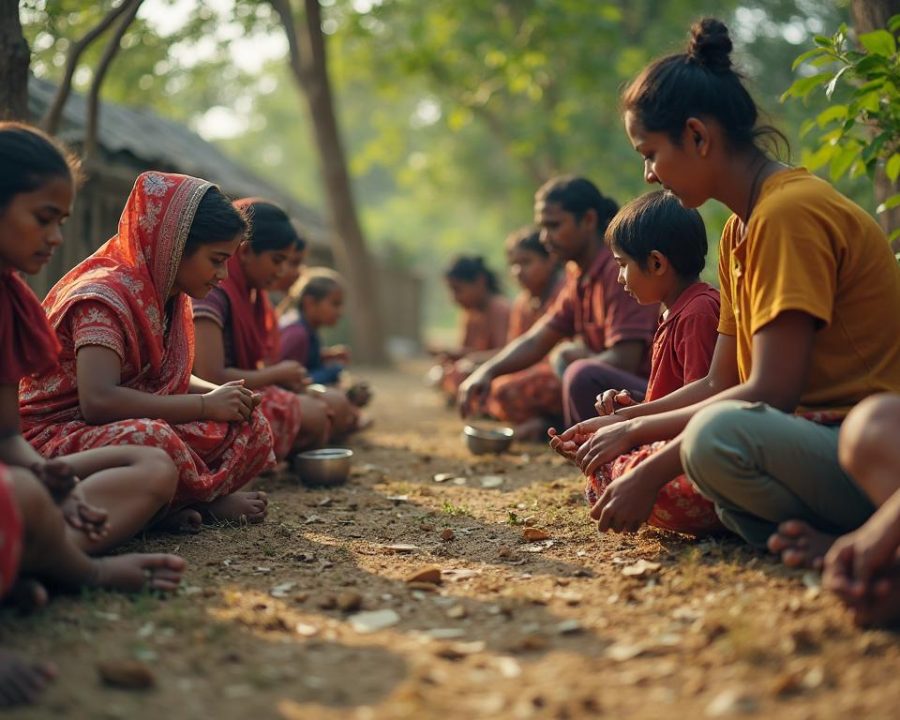

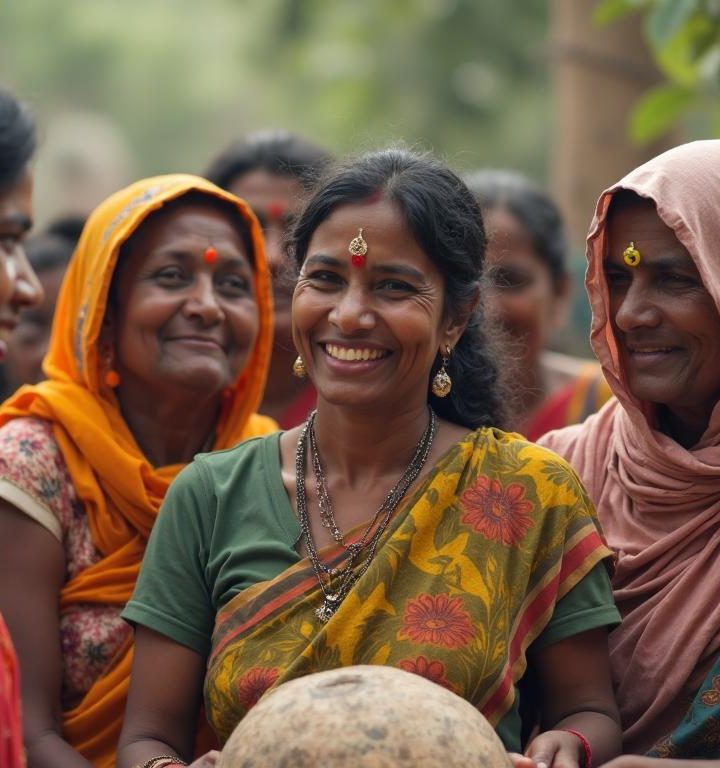
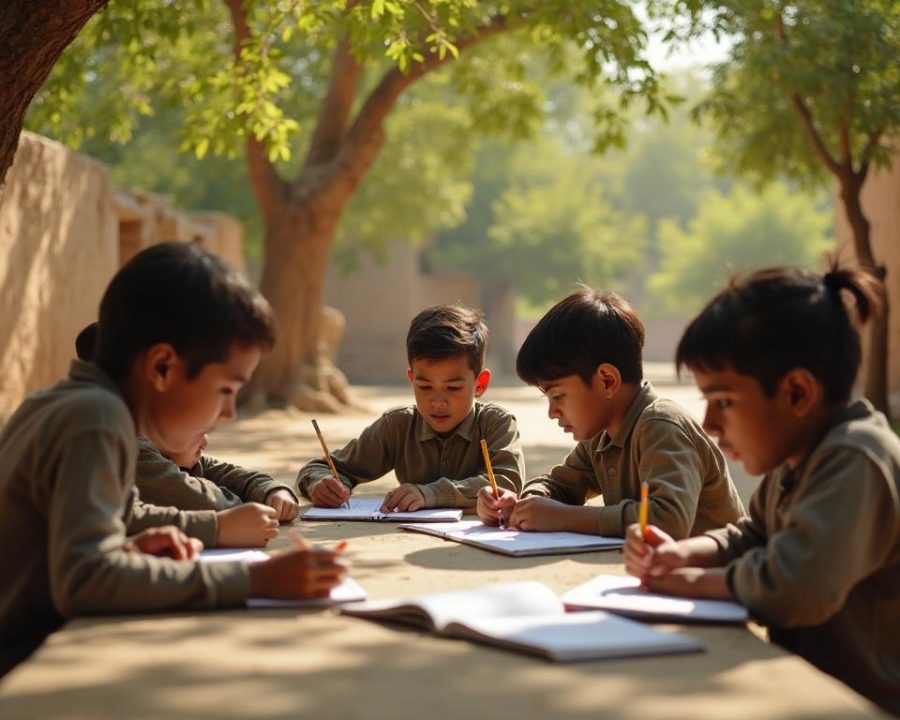
Children photograph 1 from Nirvanavan Foundation's work in Alwar, Rajasthan

Alwar · Rajasthan · India — since 1999

Every child here was told what they would become. We disagreed.

1999

Founded in Alwar, Rajasthan

25+

Years of continuous work

12

Community-based schools

100%

Of programme costs published

Chapter 01 — Who we are

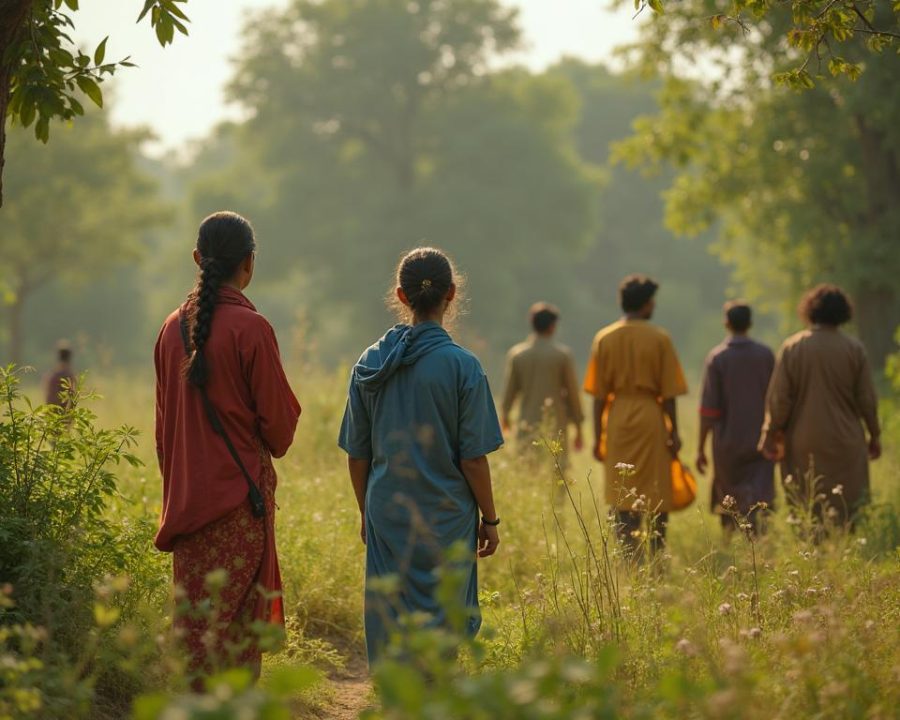
Community photograph 2 from Nirvanavan Foundation's work in Alwar, Rajasthan

A small foundation, working slowly, in the places that get left out.

Founded in 1999, Nirvanavan Foundation is a non-profit, non-governmental organisation working at the grassroots level with communities that are ostracised and marginalised in the remote areas of Alwar, Rajasthan.

We began with a single question asked of families whose children had never seen the inside of a classroom: what would it take? The answer was never simply a building. It was trust, food, safety, a teacher who stayed, and parents who were treated as decision-makers rather than beneficiaries.

Twenty-five years on, that method has not changed. We stay small enough to know every child by name, and long enough to see them finish.

The full story

Chapter 02 — The work

Three strands of one story

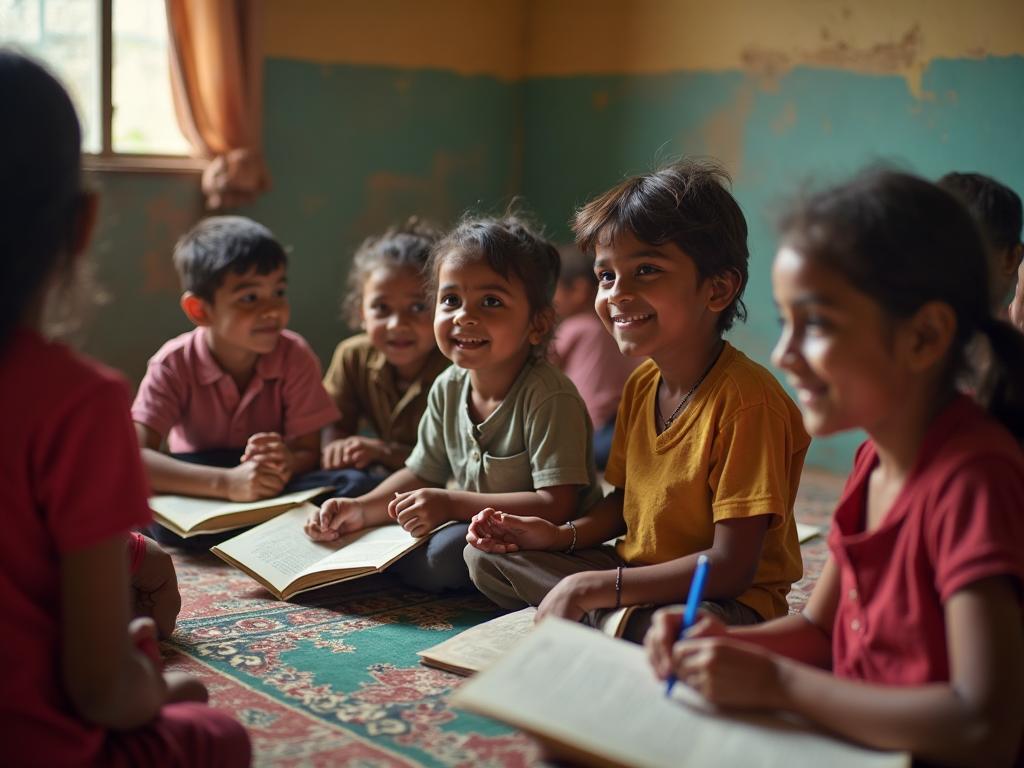
Children photograph 4 from Nirvanavan Foundation's work in Alwar, Rajasthan
01 Education as a way out

Children

We run community-based schools for children of families pushed to the margins — many of them the daughters and sons of women in the sex trade. Learning here is activity-based, taught in the children's own language, and built to give them a real alternative in life.

  • Primary education
  • Activity-based curriculum
  • Safe residential care
Community photograph 5 from Nirvanavan Foundation's work in Alwar, Rajasthan
02 Nothing decided without them

Community

Parents — including sex-workers who were long refused a seat at any table — form the School Development Committees that govern our schools. Livelihood training, self-help groups and health outreach grow out of those same meetings.

  • School Development Committees
  • Livelihoods & self-help groups
  • Health and rights outreach
Environment photograph 2 from Nirvanavan Foundation's work in Alwar, Rajasthan
03 Restoring what sustains us

Environment

The Aravalli foothills hold the water and the culture of this region. We plant and tend native trees, revive traditional water bodies, and teach sustainable living as part of everyday school life rather than as a separate subject.

  • Native tree plantation
  • Water body revival
  • Heritage & sustainability education
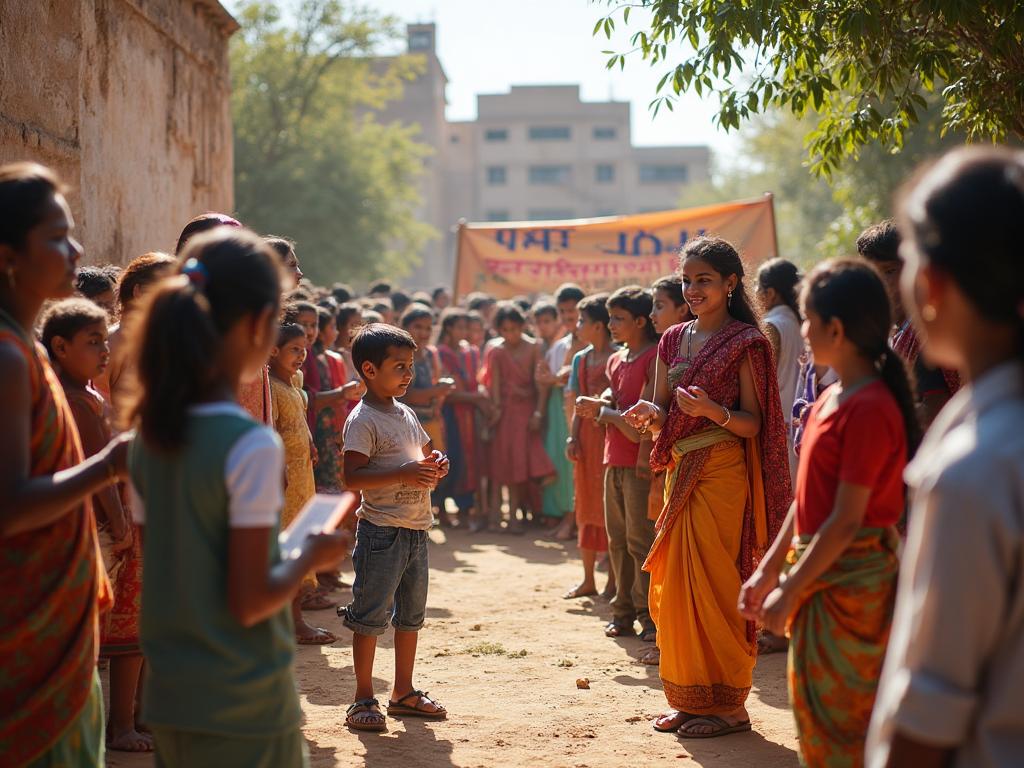
Events photograph 3 from Nirvanavan Foundation's work in Alwar, Rajasthan

Chapter 03 — Why it matters

A school is not a building. It is a promise that a child's life is not decided by the village they were born in.

Vandana & the Nirvanavan team, Advaita Garden

Chapter 04 — Voices

The people who make this work true

01
My children now have a classroom to walk into and a safe place to grow. What changed our village was not charity — it was being asked what we needed.
Priya Sharma Parent, School Development Committee · Hajipur
02
I came for two weeks and stayed four years. You learn quickly that the work is patient work: showing up, again and again, until a child believes school belongs to them.
Rajesh Kumar Volunteer · Jaipur
03
They taught us to read the soil and the rain. My harvest feeds my family and my daughter has never missed a school day since.
Anita Desai Farmer, livelihoods programme · Dadhikar
04
The curriculum is built around the children in front of us, not a syllabus written far away. Character and courage are taught alongside arithmetic.
Vikram Singh Teacher · Alwar
05
Every sapling planted here is recorded, watered and returned to. That discipline is why the hillside is green again.
Meera Patel Environmental worker · Aravalli foothills

Chapter 05 — Trust

Openly accountable, by design

Small organisations earn confidence the slow way: by saying plainly who we are, who decides, and where the money goes.

Legal standing

Registered NGO, No. 846561

Registered under the Societies Registration Act, ACT XXI of 1860. Non-profit, non-governmental, and governed by an accountable committee.

Governance

Communities hold the pen

Programme decisions sit with School Development Committees made up of parents and community members from the villages we work in.

Your money

Straight to the classroom

Donations fund teaching, meals, school materials and plantation work. We are a small charity and we account for every contribution.

Give

Keep the classrooms open

A contribution pays for teaching, a midday meal, school materials and the saplings our children plant each monsoon.

Donate

Join

Come and work beside us

Volunteers teach, build, document and plant — and leave changed. Spreading the word costs nothing and helps just as much.

Volunteer Follow along